The Benefits Of Dementia Care Homes For Families In Scotland

Research from The Alzheimer's Society shows that 1 in 3 people born in the UK today will go on to develop dementia in their lifetime. So when someone you love is living with dementia, everyday life can become increasingly complex. As routines change, familiar tasks become challenging and the emotional toll on families can be significant. Many families across Scotland reach a point where they begin to consider additional support and for some, a dementia care home offers not just care, but reassurance, stability and dignity.
This guide is written for families and care seekers navigating that decision. It explains the benefits of dementia care homes, what to look for and how the right environment can support both wellbeing and independence.
Understanding Dementia Care In Scottish Homes
Care Homes that offer dementia care are designed specifically for people living with conditions such as Alzheimer’s disease or other forms of dementia. Unlike other care types such as residential care, these settings are structured around the unique challenges that dementia presents, from memory loss to changes in behaviour and communication.
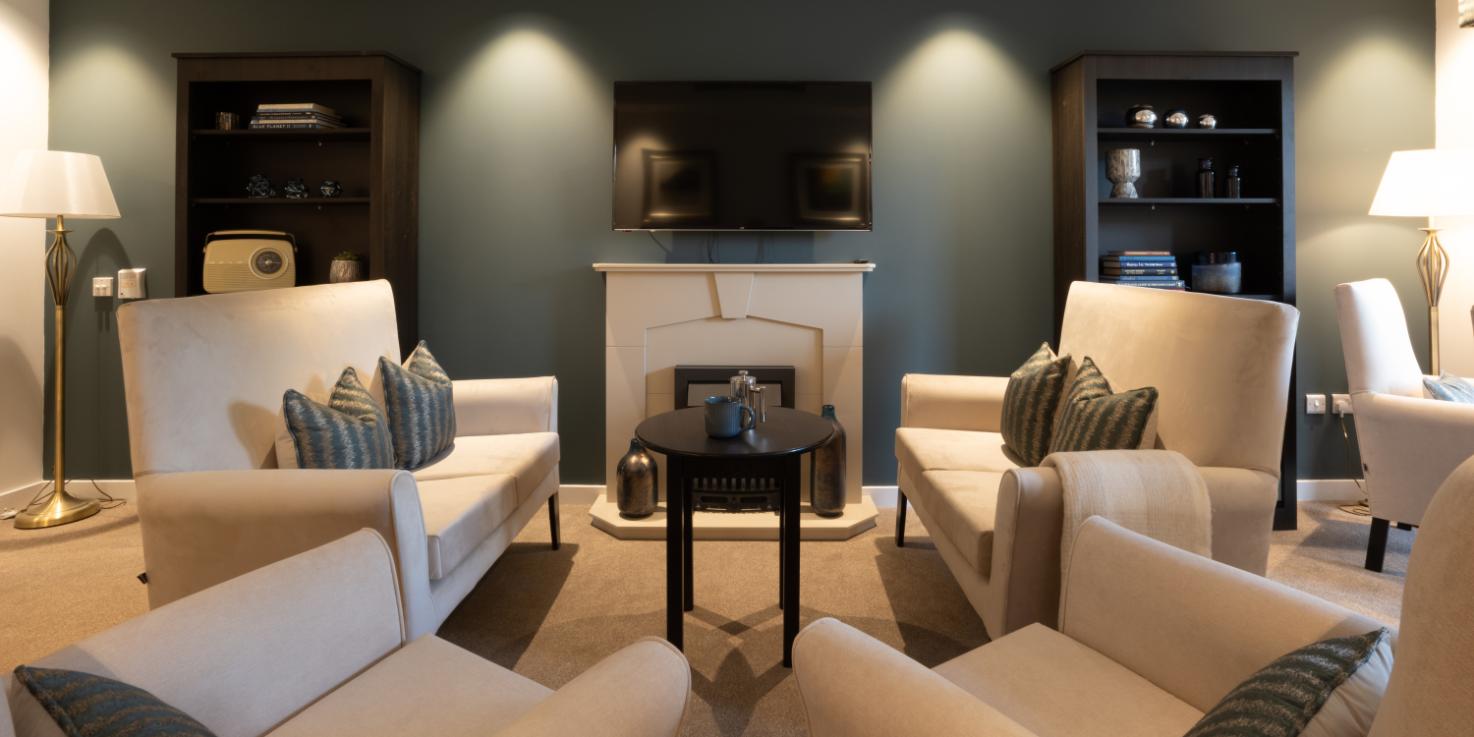
Staff are trained to provide specialist care and the environment itself is carefully planned to reduce confusion and promote comfort. For families, this means your loved one is supported by people who understand not just the condition, but the person behind it.


What To Consider When Choosing A Care Home
Choosing a care home is deeply personal and it’s important to take your time. Here are some key factors to think about:
1. Specialist Dementia Experience
Look for homes where staff have specific training in dementia care. This ensures they can respond calmly and effectively to changes in mood, behaviour, or memory. Also, what does their Care Inspectorate Report say?
2. Environment & Layout
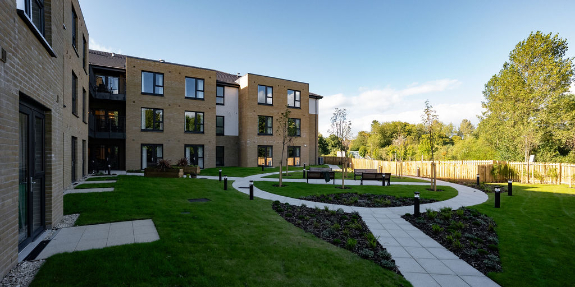
A well-designed care home should feel safe and easy to navigate. Clear signage, good lighting and secure outdoor spaces all help residents maintain confidence and independence.
3. Atmosphere & Culture
When you visit, trust your instincts. Does it feel welcoming? Are residents engaged and comfortable? Small details such as how staff speak to residents can tell you a lot.
4. Personalised Care Approach
No two people experience dementia in the same way. A good care home will take time to understand your loved one’s history, preferences and routines to ensure that everything down to the finest detail is personalised.
5. Family Involvement
The best homes see families as partners in care. Regular updates, open communication, and visiting flexibility can make a big difference.
Why Person-Centred Care Matters In Dementia
Person-centred care is a fundamental principle and factor in modern dementia care and support, as it means focusing on the individual, rather than just the condition.
Instead of seeing “a person with dementia,” a good care team will focus on the individual behind the condition. For example, a parent who loves gardening, a former teacher who enjoys conversation, or a music lover who responds to familiar songs. This approach recognises their unique history, interests and personality, helping to preserve identity and dignity even as memory and abilities change. Extracting these past factors can really make a difference in their daily care and future care.

Real-Life Impact
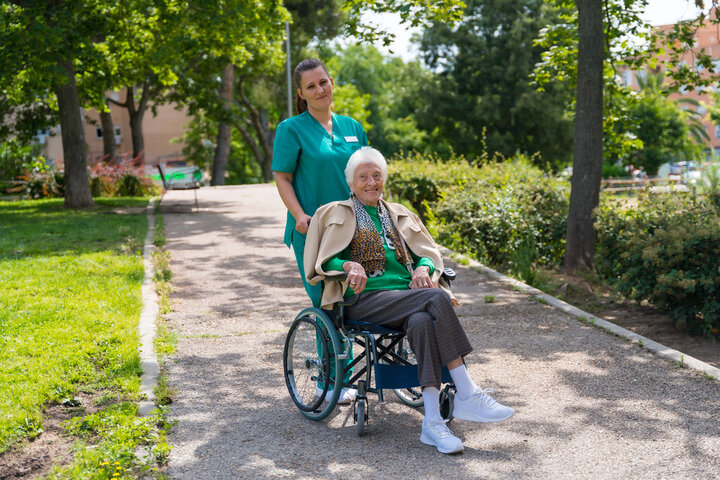
For example, a resident who becomes anxious in the evening might be comforted by a familiar routine such as a cup of tea, soft music, or a quiet chat. These small, personalised touches can significantly reduce distress and be easily incorporated into a care plan. This also reinforces trust between residents and staff and even families too.
How Structured Environments Support Wellbeing
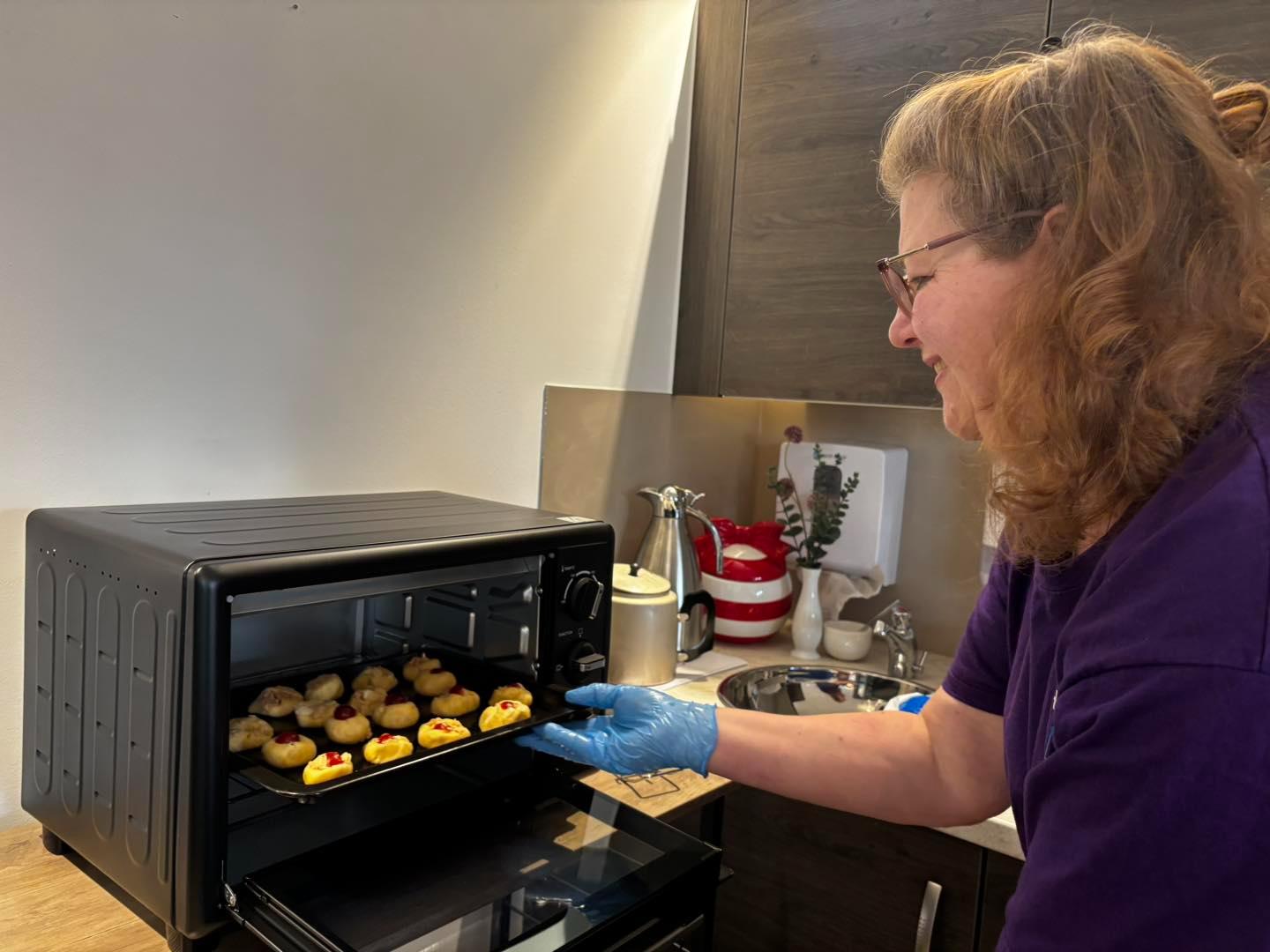
One of the greatest strengths of dementia care homes is the structure they provide. Predictable routines help reduce confusion and anxiety, giving residents the reassurance of knowing what comes next each day. Structured activities, from helping set the table to taking part in a craft session, give residents a sense of purpose while supporting self-esteem. At the same time, care homes are designed to allow safe independence, so residents can move around comfortably without the risks they might face at home. For families, this structure also brings significant relief. Sharing care with trained professionals provides peace of mind, knowing that their loved one is supported and safe around the clock. It can restore relationships by allowing family members to simply enjoy time together without the constant responsibility of day-to-day care. Families also benefit from reduced burnout and access to expertise, as care teams are experienced in managing complex needs ranging from mobility challenges to changes in behaviour. Finally, residents gain a sense of community and connection, reducing isolation and creating opportunities for friendship, a support network that can benefit everyone involved.
Addressing Common Concerns
It’s natural to feel unsure about moving a loved one into a care home. Many families worry about loss of independence or whether their loved one will settle. In reality, the right care home can enhance independence by providing support where it’s needed, while still encouraging choice and autonomy.
Settling in can take time, but experienced staff know how to ease this transition, often by incorporating familiar routines, belongings and preferences, while also providing gentle support and reassurance to help residents feel comfortable and secure in their new surroundings.


Making the Decision
Deciding when to move a loved one into a care home can feel overwhelming, but certain signs, increasing safety concerns at home, complex care needs, family carers feeling stretched, or social isolatio, may indicate it’s time to explore professional support. At Almond Valley Care Home in West Lothian, we specialise in compassionate, person-centred dementia care. Our experienced team can guide you through every step, from understanding your loved one’s needs to creating a tailored care plan that prioritises their wellbeing and independence. Arrange a visit today to see our welcoming environment, meet our staff, and discover how we can support your family with confidence and peace of mind.