What Is Respite Care?

Respite Care is temporary care that replaces the need to be looked after by a loved one at home. Different types of respite care include at-home services, day care centres and residential care homes. Which type of respite care you choose depends on the duration of care and level of support needed. For example, if a person needs 24-hour support or nursing care, a temporary stay in a care home would likely be the best option.
Reasons for Choosing Short Term Respite Care
There are a number of reasons a family might choose respite care in a care home for their loved one. These include:
Giving Carers a Break
Respite Care gives carers a much needed break from their caring duties. Caring for an elderly loved one can be stressful and carers can leave themselves prone to burnout if they neglect their own wellbeing. Caregivers often find themselves stretched too thin, juggling work and their personal life with caring for an elderly family member. ‘Sandwich carers’ is the name given to those looking after both an elderly parent and young children at the same time. Respite care allows carers to rest without concern for their loved one’s safety or comfort.
Caregivers may also choose respite care if their own health or mental wellbeing begins declining, whether that’s as a result of their caring duties or otherwise. Choosing respite care in a residential home can give them time to rest and recover, without compromising their own or their loved ones safety.
Post-Hospital Stay
Respite Care can help create a smooth transition between the hospital and home. Those recovering from an injury or illness can make use of a care home’s 24-hour on-call support and specialised nursing care. The safe and warm environment also significantly reduces the risk of further injury.
Trying Out A Care Home
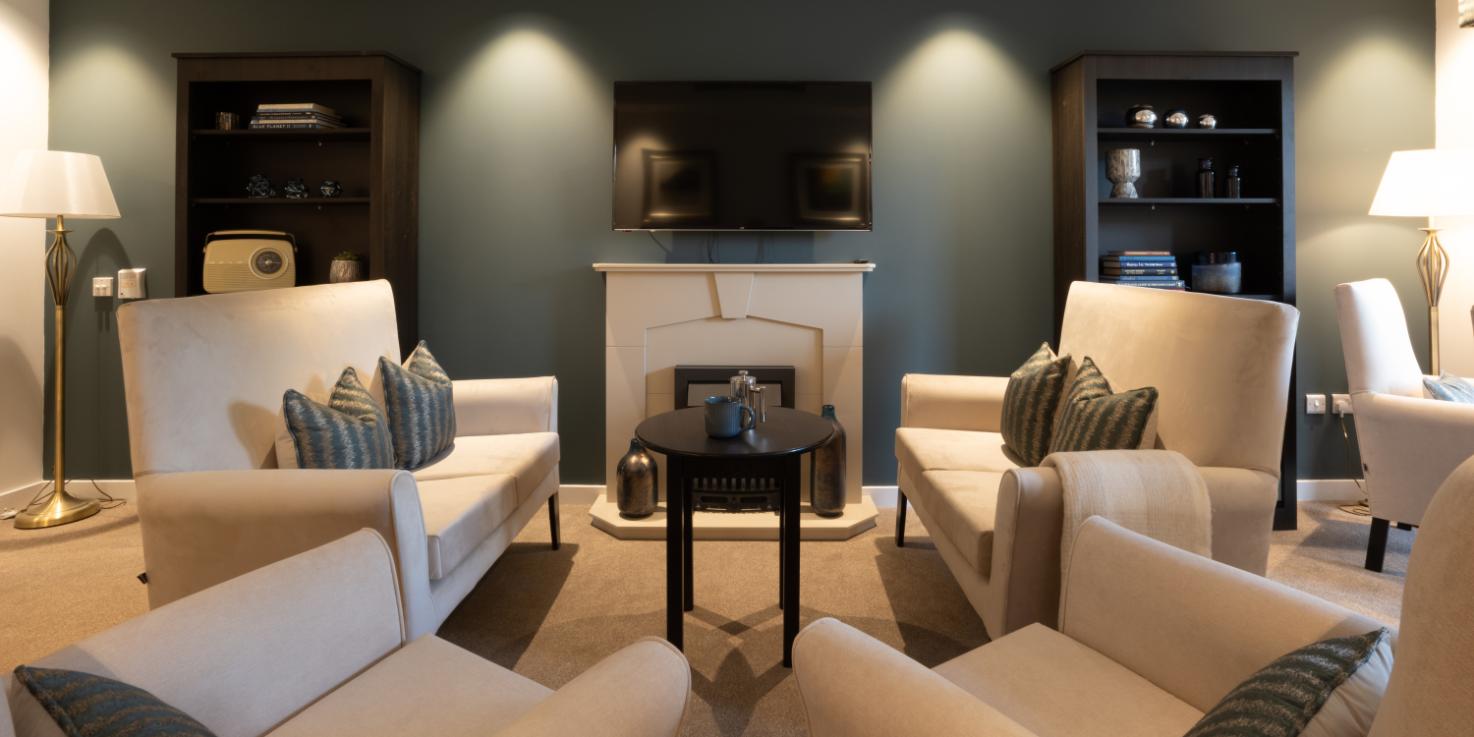
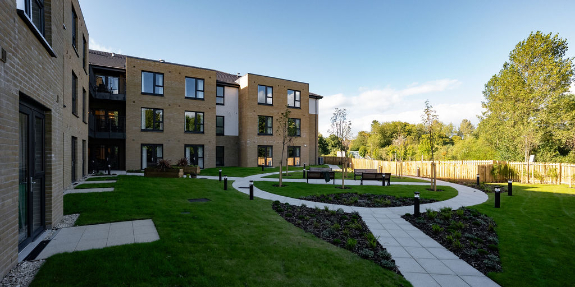
If you’re considering moving into a care home full-time, respite care can be a great way to trial a home. Many homes offer temporary respite stays for individuals to get a feel for what life will be like and if it’s right for them. Respite care residents have access to all the same facilities as full-time residents, which in an all-inclusive luxury home, can include perks like private gardens, a hair salon and cinema room.


The Benefits of Respite Care
Physical Rest
The constant demands of caring for an elderly family member can be exhausting and have detrimental effects on a caregivers mental and physical health. If the person providing care becomes ill or has an accident, this can exacerbate existing issues or make them unable to provide care altogether.
As stress builds it can become overwhelming, leading to mistakes such as medication mix-ups or missed medical appointments. This can lead to frustration and create tension in the relationship between the carer and person receiving care. Respite care gives the caregiver an opportunity to rest and therefore provide better support for their loved one.
Time for Self-care and Mental Reset
As well as the physical rest respite care can provide, it also gives caregivers the opportunity to look after their mental health. While caring for a loved one can be deeply rewarding, it’s easy for carers to neglect their own needs. Respite care allows time for self-care, such as pursuing hobbies, exercising, catching up on sleep and socialising, which are all crucial for emotional wellbeing.
Individuals receiving care sometimes develop feelings of guilt, especially if they are seeing their loved one struggling to care for them. Therefore, respite care can offer a mental break and help improve the relationship between the two parties.
Preventing Isolation and Loneliness
Caring for a loved one at home can leave little time for socialising for both the carer and person being cared for. In a care home, residents are encouraged to socialise, make friends and take part in stimulating group activities to combat loneliness. The much-needed break also gives caregivers opportunity to catch up with friends or even attend support groups to meet others in a similar situation. Carers can begin to lose their sense of self and identity when devoting so much time to a loved one. Therefore, it’s important to take time for hobbies and self-care whenever possible.
Peace of mind
Knowing that their loved one is in the capable hands of trained professionals allows caregivers to fully relax. This peace of mind can extend to the individual in care too, safe in the knowledge they are in a controlled and homely environment.
Improved Quality of Care
Respite care can rebuild patience and help release the pressure and tension between loved ones. Returning from this temporary relief means a caregiver can return refreshed and able to provide higher-quality care for their elderly loved one.
How to Get Respite Care
How to arrange respite care depends on the type of care you require. For respite care in a residential home, you can reach out to the care home directly. Most will need to be booked in advance which can help with planning, for example, if you’re booking a holiday.
High-quality care homes will conduct detailed assessments to make your experience as smooth and enjoyable as possible. This includes creating a tailored, person-centred care plan. It’s worth noting that most care homes have a minimum stay duration, for example, Almond Valley Care Home in Livingston typically requires a minimum stay of 4 weeks, extending up to a few months, depending on the results of the individual care needs assessment.
Respite Care in Livingston
At Almond Valley Care Home in Almondside, we ensure that all residents and family members get the most out of their respite care stay. Our dedicated and compassionate team provides exceptional care 24/7, allowing residents and their loved ones to rest and recharge. If you’d like to learn more about our respite care in the scenic countryside of Livingston, please get in touch with our friendly team to arrange a tour of our care home.